Chasing that sun-kissed, lived-in look—but tired of root lines screaming “touch-up needed!” every six weeks? Most hair color fades into patchy chaos. Ombre hair color sidesteps the drama entirely. It’s not just a trend; it’s a strategic grow-out hack disguised as style.
Why Most Highlights Fail (And Ombre Succeeds)
Traditional highlights anchor pigment right at the scalp. Grow an inch? Suddenly you’re sporting a reverse skunk stripe. Harsh. Obvious. Expensive to fix.
Ombre? It starts lightening mid-shaft—not at the root. That means your natural darkness stays intact near the scalp. As hair grows, the transition zone simply shifts downward. No stark regrowth. Just seamless evolution.
Think about it: You’re not fighting biology. You’re designing with it.
Your Step-by-Step Ombre Hair Color Blueprint
Choosing Your Transition Zone
The magic lives in where you start fading. Too high? Looks like a botched highlight job. Too low? Barely noticeable. Rule of thumb: Begin 2–4 inches below the part. Fine or thin hair? Stay closer to 4 inches. Thick, dense strands? You can go higher—around 2 inches.
Selecting Shades That Don’t Clash
Avoid going more than 3 levels lighter than your base unless you’re pre-lightening. And never pick ash over warm roots—it creates muddy green undertones. If your natural is cool-toned, lean into pearl or beige blondes. Golden base? Honey, caramel, or golden wheat keeps harmony.
Diy vs. Salon: The Real Cost Breakdown
| Method | Average Cost | Longevity | Grow-Out Friendliness |
|---|---|---|---|
| Salon Full Ombre | $120–$250 | 10–14 weeks | ★★★★★ |
| At-Home Kit | $15–$35 | 6–8 weeks | ★★☆☆☆ |
| Balayage Hybrid | $150–$300 | 12–16 weeks | ★★★★★ |
Notice something? Professional ombre lasts longer and ages better. Why? Precision placement + quality developer = controlled lift without brassy chaos. DIY kits often bleach too aggressively at the wrong point—killing the gradient illusion.
The Industry Secret: Ombre Isn’t About Lightness—It’s About Shadow Play
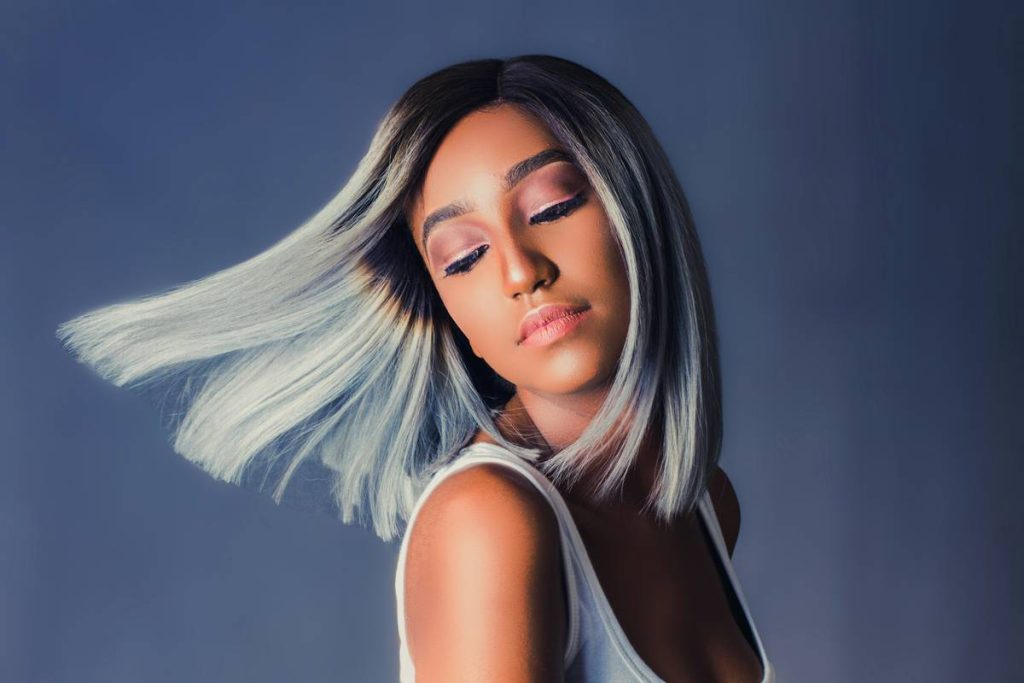
Here’s what no one tells you: The most convincing ombre doesn’t rely on extreme contrast. It uses dimensional shadowing. A skilled colorist adds subtle warmth within the dark zone—think espresso with hints of chestnut—not flat black. Then, in the light section, they layer two tones (e.g., golden blonde + sandy beige) to mimic how sunlight actually hits hair.
Flat color = cartoonish. Depth = realism. And realism fools even your stylist’s eye when you walk in for a refresh.
But—and this is critical—you need porosity matching. If your ends are fried, they’ll grab color faster than mid-lengths, creating a blotchy “reverse ombre” (dark middle, lighter top). Always prep with protein before coloring if your ends feel gummy.
Frequently Asked Questions
Does ombre hair color damage your hair?
Only if done poorly. When applied correctly—starting below the root and using appropriate developer strength—it causes less breakage than full-head bleach. Always follow with bond builder.
How long does ombre hair color last?
10–14 weeks for salon applications. The fade is gradual, so it never looks “bad”—just softer. Refresh when the mid-shaft loses its warm transition tone.
Can you get ombre on short hair?
Yes—but keep the fade tight. On bobs or lobs, concentrate the shift in the bottom 2–3 inches. Avoid trying to stretch it up; it’ll look like uneven dye.